Reno 買房風水指南|住宅朝向、路沖、格局與實際居住環境
Feng Shui traditions differ and are not scientifically established methods of predicting property value, health, wealth, or investment returns. MingChi is identified here as a Nevada real estate professional, not a certified Feng Shui consultant. Cultural observations are not structural, environmental, engineering, or insurance assessments.
風水可作為個人與文化上的選屋偏好;房屋安全、排水、保險、產權與系統狀況仍須分別查證。本指南不以朝向或格局預測財運、健康或增值,也不將任何社區評為風水好或不好。
Traditional Feng Shui vs. Practical Reno Home Buying Considerations
This original comparison separates household preferences from property research. The cultural column gives examples, not a universal school of Feng Shui. The practical column identifies questions buyers can investigate; a cultural concern does not itself prove a defect.
| Area | Traditional perspective | Objectively verifiable considerations |
|---|---|---|
| Home orientation · 坐向 | Some buyers prefer particular sitting/facing directions; interpretations differ. | Identify door and window directions separately, then examine seasonal shading and room exposure. |
| T-intersections and road alignment · 路沖 | A direct street approach may be culturally undesirable to an individual household. | Observe traffic, headlights, setbacks, driveway sightlines, and privacy; do not infer crash risk from shape alone. |
| Front entrance and circulation · 玄關與動線 | An entrance transition or indirect sightline may feel preferable. | Walk actual routes, measure relevant clearances, and assess privacy and access without obstructing exits. |
| Bedroom placement · 床位 | A solid backing or separation from a doorway may be preferred. | Test furniture fit, window access, light, noise, and sleeping routines; investigate physical concerns separately. |
| Kitchen positioning · 爐灶 | Some traditions attach symbolism to stove, sink, and doorway relationships. | Inspect systems and ventilation and verify alteration feasibility, permits, and cost with qualified professionals. |
| Natural lighting · 採光 | A bright, balanced space may be associated with a welcoming atmosphere. | Compare daylight, glare, window condition, shading, and electric lighting at relevant times. |
| Surrounding hillsides and terrain · 地勢 | Some buyers value symbolic support behind and openness in front. | Review parcel drainage, retaining structures, fire exposure, access, maintenance duties, and insurance. |
Original Reno Property Observation: Feng Shui and Practical Home Evaluation
The following observations are based on original interior photographs of one Reno residential property taken by MingChi Huang, REALTOR®. This example illustrates how traditional Feng Shui preferences can overlap with practical homebuying considerations, including natural light, layout, privacy, circulation, and everyday functionality.
The observations are limited to features visible in the photographs and do not replace professional property inspections.
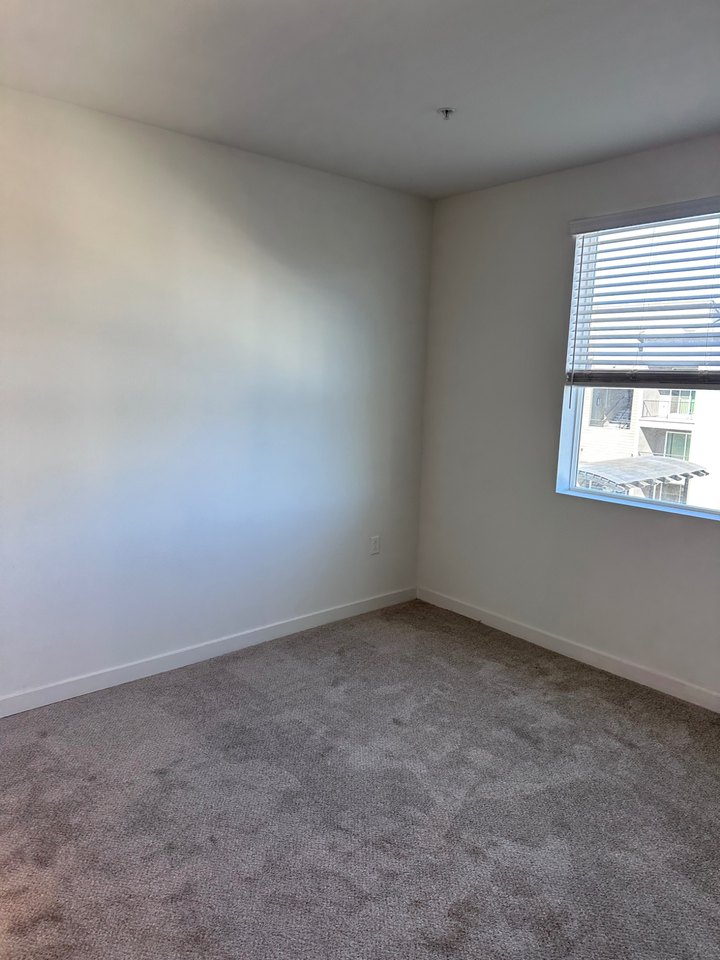
Bedroom Layout
A bedroom that allows a bed to sit against a solid wall with comfortable circulation may appeal to buyers who value both Feng Shui and practical layout.
The photographed bedroom features a window providing natural light and an uninterrupted wall that may accommodate bed placement. Actual furniture dimensions, doorway locations, and room circulation should be checked before drawing conclusions.
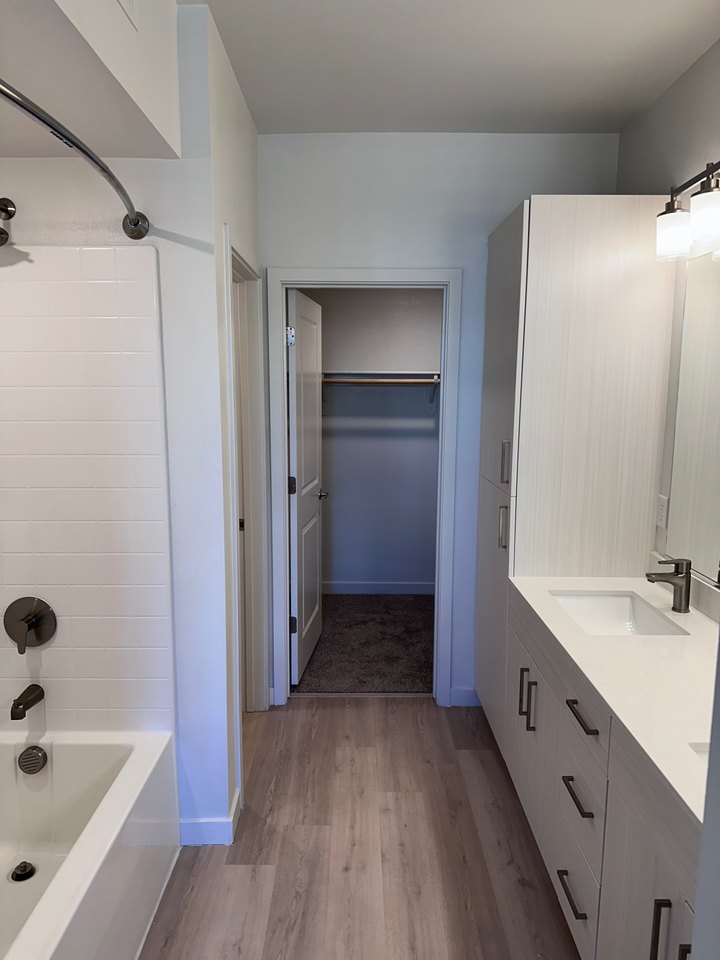
Bathroom and Closet Connection
Some buyers consider the relationship between bathrooms, sleeping areas, and closets when evaluating the flow of a home’s interior.
This bathroom connects toward a closet area, offering a potentially convenient daily layout. Practical buyers should also consider ventilation, humidity management, and overall usability.
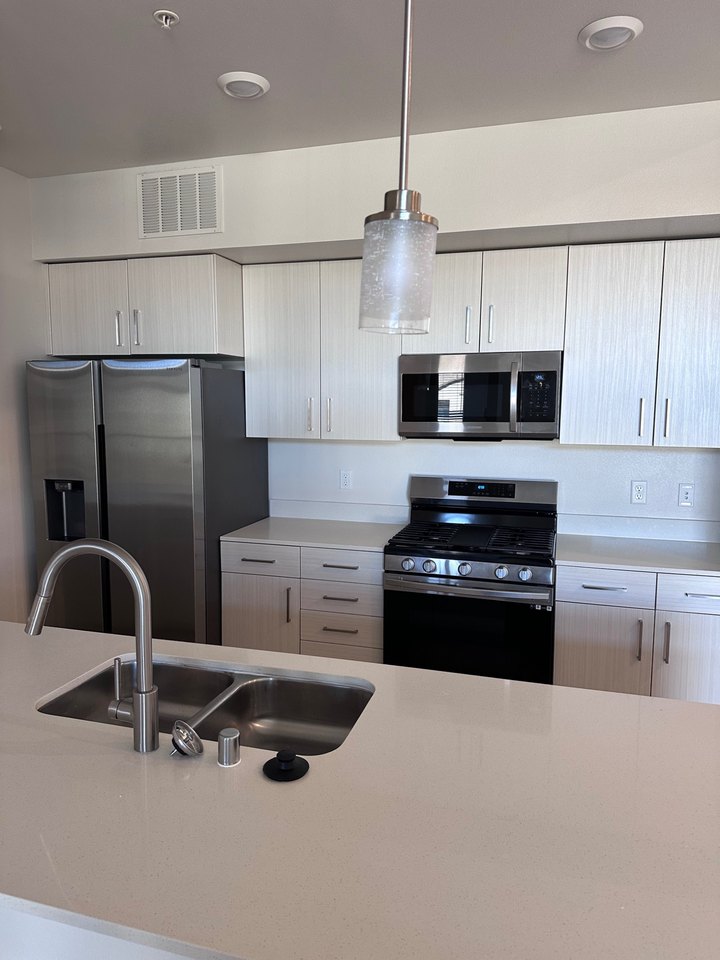
Kitchen Layout
Traditional Feng Shui sometimes considers the relationship between water and fire elements, while practical homebuyers evaluate kitchen workflow, ventilation, counter space, and storage.
This kitchen features an island sink, surrounding cabinetry, and a cooking range on the opposite wall. Buyers should consider how this configuration supports everyday cooking, cleaning, and movement.
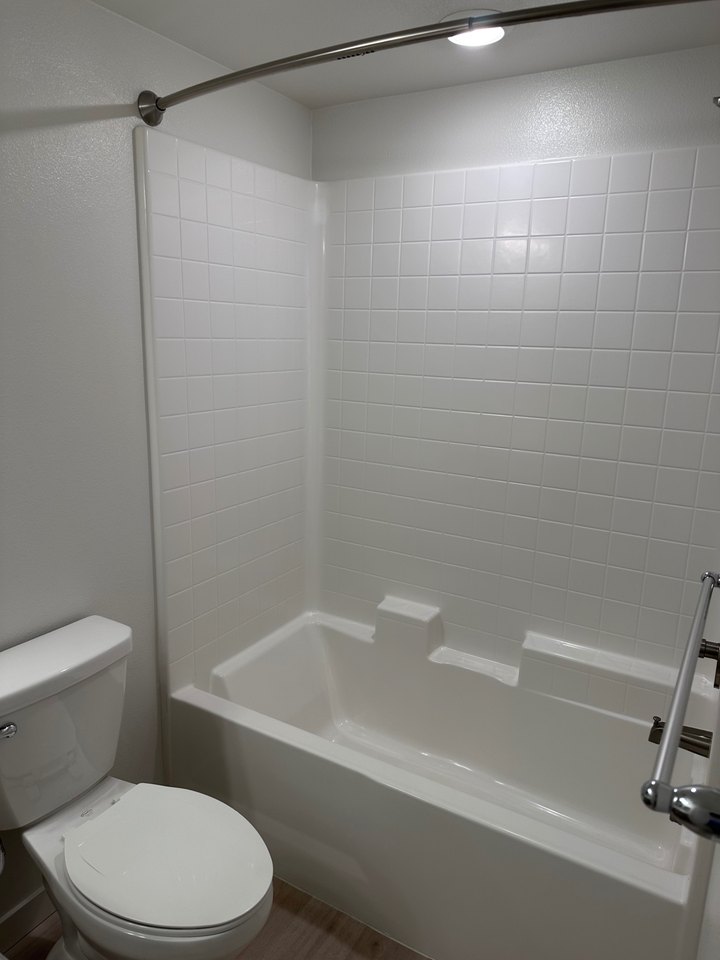
Secondary Bathroom
Bathroom placement, cleanliness, and maintenance may matter to buyers from both cultural and practical perspectives.
This secondary bathroom has a tub-shower combination and a straightforward layout. Buyers should evaluate accessibility, maintenance, drainage, and ventilation rather than assuming visual appearance establishes system condition.
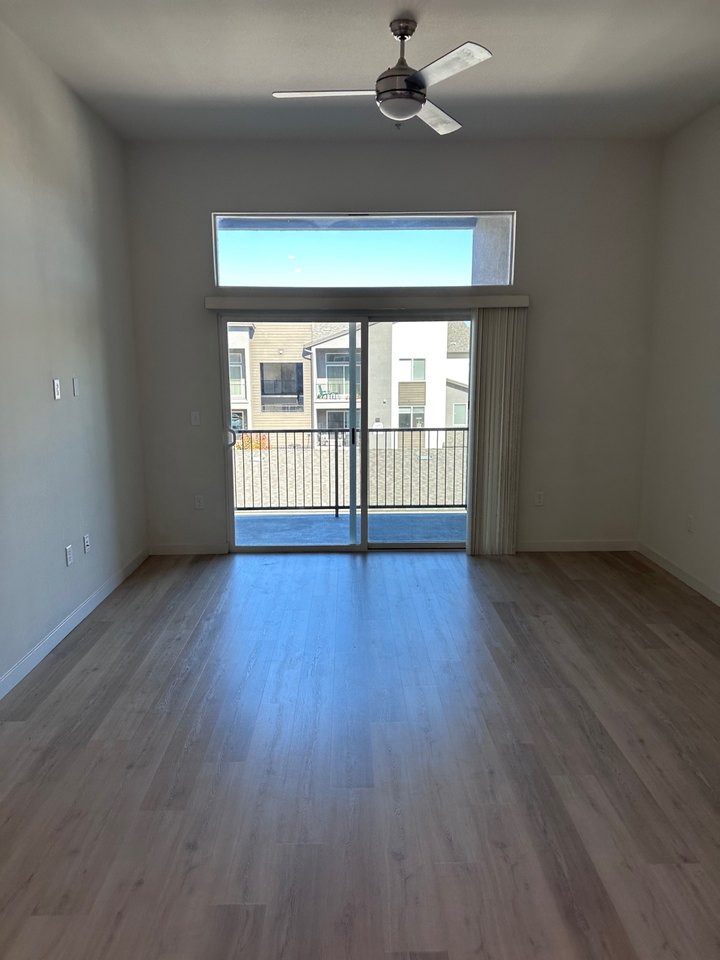
Living Area and Balcony
A bright and open living area can appeal to buyers who appreciate Feng Shui concepts of openness as well as practical features such as natural light and comfortable living space.
The photographed living room features a sliding glass door, balcony access, and additional upper glazing. Nearby buildings may influence privacy, exterior views, and window-covering preferences.
What This Original Reno Example Shows
- Traditional Feng Shui preferences can overlap with practical concerns about natural light, privacy, and circulation.
- Interior layout influences how buyers experience living spaces.
- Kitchen and bathroom configurations deserve both functional and personal evaluation.
- Photographs cannot establish compass orientation, structural condition, moisture performance, or overall building quality.
Key Takeaway
This original Reno property example demonstrates how cultural housing preferences and practical real estate evaluation can complement each other. Rather than treating Feng Shui as a scientifically proven predictor of outcomes, buyers can use their personal preferences to identify relevant property features and verify measurable conditions through appropriate due diligence.
原創照片觀察:這五張照片來自同一間 Reno 公寓,由黃明智拍攝。床位、採光、浴室與衣櫥動線、廚房配置及陽台隱私可一起討論,但照片無法確認坐向、尺寸、通風效能或完整屋況;仍須搭配現場查核與專業檢查。
Photo credit: Original Reno residential property photography by MingChi Huang, REALTOR®. Observations are limited to visible features and do not establish exact orientation, building performance, or full property condition.
01 · orientation
Does home orientation matter when buying in Reno?
Home orientation matters because windows, shading, and surrounding buildings influence daylight, glare, and indoor comfort. A Reno home’s front-door direction does not describe every room’s exposure. Buyers who value Feng Shui can record their preferred orientation, then separately verify the sunlight and physical conditions of the actual house.
A. Traditional Feng Shui perspective
Some Taiwanese and Chinese buyers discuss 坐向, or the relationship between a home’s sitting and facing directions. Traditions differ in how they identify the facing side and interpret compass directions. A preference for 坐北朝南 is a cultural starting point, not a universal rule or a prediction of prosperity.
B. Reno real estate perspective
As a research scenario in South Reno or Damonte Ranch, compare two homes with the same entrance direction but different living-room windows and shade. Their afternoon experience may differ. Window orientation, nearby obstructions, glazing, and overhangs deserve separate notes; the listing’s directional description alone is insufficient.
C. What buyers should verify
- Record the front entrance, main living-room windows, and bedroom windows separately. Confirm what a listing means by ‘facing’; map estimates and phone compasses are not surveys.
- Visit at more than one time if possible, or request time-stamped remote views. Ask what may change with seasonal sun angles and landscaping.
- Review window condition, shading, heating and cooling, and available energy information. Ask a qualified energy professional about material comfort or efficiency concerns.
坐向與採光分開記錄:大門朝南,不代表每個房間都朝南;應逐一確認窗戶方向、遮蔽物與不同時段的光線。
02 · road alignment
What is a T-intersection or road-alignment concern in Feng Shui?
A road-alignment concern often describes a home facing the end of an approaching street, commonly called 路沖 in Chinese home-selection discussions. The cultural interpretation is distinct from measurable conditions. Reno and Sparks buyers should examine actual traffic, headlight exposure, setbacks, driveway visibility, and privacy instead of assuming that every T-intersection is unsafe.
A. Traditional Feng Shui perspective
Some traditions interpret a direct approach toward the entrance as an overly forceful movement of 氣. Households differ in whether this matters and what alignment they consider relevant. This guide describes the preference without endorsing claims that a road position causes illness, financial loss, or a predetermined outcome.
B. Reno real estate perspective
For a hypothetical subdivision home in Sparks or Damonte Ranch, draw the street’s approach relative to the entrance, front windows, and outdoor seating. A bend, elevation change, setback, or intervening structure can change the sightline. These are questions for the exact lot, not judgments about either community.
C. What buyers should verify
- Observe turning movements, headlights, noise, and driveway access at relevant times, without entering private property or standing in traffic.
- Ask the responsible road authority about available traffic information and planned road changes. A quiet showing is not a traffic study.
- Check property boundaries and HOA or permit restrictions before relying on a fence, screen, or landscaping solution; do not obstruct required sightlines or access.
路沖是文化上的房屋選擇考量;實際查核要看車流、車燈、退縮距離、視線與出入條件,不能直接推論危險程度。
03 · entrance
Can Reno homebuyers consider Feng Shui when choosing an entrance and floor plan?
Reno homebuyers can include individually stated Feng Shui preferences in their home search, including entrance alignment, privacy, and circulation. Those preferences should sit beside budget, accessibility, property condition, and inspections. A comfortable entrance is personal; neither an aligned doorway nor an open floor plan establishes a defect or predicts future results.
A. Traditional Feng Shui perspective
An entrance may be treated as a symbolic point of arrival. Some buyers prefer a transition before the main living area and dislike a direct door-to-window sightline, sometimes discussed as 穿堂. These interpretations vary; symbolic ‘flow’ is not a technical measurement of ventilation or building performance.
B. Reno real estate perspective
In a Reno townhome research scenario, an entry opening directly toward stairs or the living area raises useful questions about groceries, mobility, guest privacy, and furniture. In a Northwest Reno detached home, repeat the same exercise rather than assuming its age or neighborhood settles the layout question.
C. What buyers should verify
- Walk the path from parking to the entrance, kitchen, bedroom, and outdoor space. Note steps, door swings, and the clearances your household actually needs.
- Check what is visible through an open front door and whether a removable screen could provide privacy without blocking exits or required clear space.
- Ask a qualified contractor and the applicable building department before changing walls, stairs, doors, or structural openings; check HOA approval where applicable.
玄關、穿堂與動線可列為個人偏好;改善隱私時,不應堵住逃生路線,也不能把文化上的「氣」當成建築通風檢測。
04 · bedrooms kitchen
How should buyers evaluate bedroom and kitchen positioning?
Bedroom and kitchen positioning should be evaluated against sleeping routines, cooking needs, privacy, and the home’s physical systems. Buyers may also have cultural preferences about bed placement or a stove’s relationship to doors and sinks. Separate those preferences from questions requiring inspection, and verify whether an unwanted layout can realistically be changed.
A. Traditional Feng Shui perspective
Some households prefer a solid wall behind the bed or a bed away from a direct doorway sightline. Kitchen discussions may include 爐灶 and symbolic relationships between fire and water. These are examples of cultural preferences, not universal instructions, appliance-clearance standards, or evidence of health and financial effects.
B. Reno real estate perspective
A South Reno new-build plan and a Sparks resale may offer the same bedroom count while placing the primary bedroom near very different activity areas. Compare actual room use, appliance noise, windows, and storage. A staged bed or kitchen photograph is not a measured furniture plan or a systems inspection.
C. What buyers should verify
- Measure your intended bed, doors, storage, and circulation space. Keep emergency escape openings and routes usable; ask an inspector about applicable requirements.
- Ask an inspector to evaluate kitchen systems within the agreed scope, including observable ventilation, plumbing, electrical, and appliance concerns; obtain specialist review where advised.
- Before proposing a stove, sink, or wall relocation, obtain qualified advice about utilities, structure, permits, approvals, and costs. Do not assume a cosmetic change resolves a system problem.
床位與爐灶偏好可以討論,但不能取代逃生、電氣、瓦斯、給排水及排風設備的專業查核。
05 · hillsides
How should buyers evaluate a house near a hillside in Reno or Sparks?
A house near a hillside requires property-specific review of drainage, retaining structures, access, wildfire exposure, and insurance, regardless of its view or cultural appeal. Buyers should identify the parcel and responsible jurisdiction, consult available maps and records, and obtain appropriate professional evaluations before treating a scenic setting as an acceptable ownership commitment.
A. Traditional Feng Shui perspective
Some landscape-oriented Feng Shui discussions value a sense of support behind a home and openness in front. A mountain backdrop may therefore appeal to an individual buyer. That symbolic preference does not establish slope stability, adequate drainage, a protected view, or a lower fire risk.
B. Reno real estate perspective
If comparing a sloped parcel in Somersett or Northwest Reno, ask who owns and maintains uphill ground, retaining walls, and drainage features. For a different lot in South Reno or Sparks, repeat the investigation. A neighborhood name, mountain view, or apparent elevation is not a parcel-level hazard assessment.
C. What buyers should verify
- Review the exact address and parcel with local drainage resources and FEMA’s map service. Ask about drainage paths, prior water entry, easements, grading, and maintenance duties; a map is not a complete drainage assessment.
- Request relevant permits, reports, and disclosures. Have qualified specialists evaluate suspected slope, retaining-wall, or structural issues; an ordinary showing cannot resolve them.
- Confirm the applicable fire district and building jurisdiction, ask about defensible space and access, and obtain an address-specific insurance quote with terms and exclusions before contractual deadlines.
「靠山」不等於邊坡安全;山景、排水、擋土牆、野火、道路與保險應按地號及實際房屋分別查證。
06 · adjustments
Can a home layout be adjusted after purchase through furniture, lighting, or ventilation changes?
Some layout preferences can be addressed with furniture, window coverings, lighting, or removable privacy screens. Structural, plumbing, electrical, or ventilation changes require a different level of review and may need permits or HOA approval. Reno buyers should establish feasibility and costs before purchase rather than assume that every uncomfortable arrangement has a simple remedy.
A. Traditional Feng Shui perspective
Furniture arrangement and balanced use of space are common subjects in household Feng Shui discussions, but recommendations differ. Ask which preference matters to the buyer and whether an acceptable adjustment exists. No mirror, furnishing, color, or decorative object should be presented as guaranteeing wealth, health, or protection from a physical hazard.
B. Reno real estate perspective
For a Reno townhome or Sparks house, sketch a furniture plan around real doors and windows. Distinguish a west-facing room that might benefit from shade from a mechanical problem needing professional work. More open windows are not always appropriate: wildfire smoke and current outdoor conditions can change ventilation decisions.
C. What buyers should verify
- Measure before purchasing large furniture; preserve access to exits, windows needed for escape, equipment, and ventilation openings.
- Ask about window-covering and exterior-alteration restrictions, and obtain contractor estimates for changes essential to your purchase decision.
- Review HVAC and filtration with a qualified professional. Follow current air-quality and emergency advice during smoke events rather than relying on a general preference for open windows.
家具、窗簾與燈光可先評估;改牆、改管線及機械通風需另行確認。遇到野火煙霧時,不宜一律以開窗作為改善方式。
How can two Reno-area homes be compared when Feng Shui preferences differ?
A buyer can compare the same cultural preferences, observable features, and unresolved professional questions for each home. The hypothetical example below shows why a preferred entrance direction alone cannot settle a purchase decision. Neither home represents an actual listing, visit, measurement, inspection, or client transaction; all described features are invented assumptions for education.
Hypothetical side-by-side property evaluation
Assume this buyer prefers a south-facing entrance, bedroom privacy, and an indirect view from the front door into living spaces. These are this fictional buyer’s preferences, not rules for other Taiwanese or Chinese buyers. Both fictional homes are in the Reno–Sparks search area; no neighborhood is assigned a cultural or hazard rating.
| Evaluation area | Hypothetical Home A | Hypothetical Home B | Buyer verification |
|---|---|---|---|
| Cultural preference: entrance orientation | Assume the entrance faces south, matching this buyer’s stated preference. | Assume the entrance faces west, outside the buyer’s initial preference. | Confirm what “facing” means and record the actual entrance direction. Discuss whether this preference is essential or flexible; it is not a value or safety rating. |
| Physical condition to observe: window exposure | Assume the living room has west-facing windows with little exterior shade. | Assume the living room has east-facing windows and a shaded afternoon patio. | Review each room at relevant times, glazing, shading and HVAC condition. Neither a door direction nor this invented scenario establishes indoor temperature, energy cost or comfort. |
| Cultural preference and practical privacy | Assume the entrance opens toward the main living area and a street approaches the front of the lot. | Assume an entry turn interrupts the living-room sightline, with the primary bedroom toward the rear. | Walk the routes, test sightlines and furniture fit, and observe headlights and traffic. Road alignment alone does not establish crash risk; a rear bedroom is not automatically quiet. |
| Documents and specialist questions: terrain | Assume a sloped rear yard and a retaining wall are visible. | Assume the yard appears flatter from the showing viewpoint. | Review drainage records, easements, maintenance responsibility and disclosures. Obtain specialist evaluation when warranted. Neither appearance establishes stability or freedom from flooding. |
| Professional due diligence: condition and insurance | Inspection findings, insurance terms and alteration costs are unknown. | Inspection findings, insurance terms and alteration costs are also unknown. | Arrange appropriate inspections, address-specific insurance research, and qualified estimates within the actual contract deadlines. Cultural appeal does not resolve these unknowns. |
| Decision still open | The entrance preference fits, while privacy, sunlight and terrain questions remain. | The assumed entry layout may suit the buyer’s privacy preference, but the entrance direction may not. | Record acceptable trade-offs and unresolved evidence for both homes. Neither is declared the better purchase; the buyer decides after research, costs and contractual options are understood. |
假設案例:A 屋的大門坐向符合這位買方的偏好,但窗戶西曬、入口隱私與地勢仍待查證;B 屋的入口轉折可能符合其隱私需求,坐向卻未必合意。兩屋均非真實物件,沒有實測或驗屋結果;應將文化偏好、可觀察條件及專業查核分開記錄,不能只按坐向決定。
Use the orientation questions, hillside investigation steps, and 12-point buyer checklist to organize a real comparison. Return to Reno and Sparks buyer representation for help planning the property search and transaction.
07 · A practical decision checklist
What should Reno buyers check when Feng Shui matters to them?
Buyers who value Feng Shui should first identify their own nonnegotiable preferences, then investigate the property independently. Use a written checklist to separate cultural comfort from matters requiring documents, inspections, insurance quotes, or specialist advice. Record unresolved questions before contractual deadlines; a favorable layout does not make the other checks optional.
12 Things to Check Before Buying a Home in Reno When Feng Shui Matters to You
These checkboxes are a reading aid and are not saved or submitted. The checklist is general education, not a substitute for a transaction-specific investigation plan.
Cultural and everyday preferences
Documents and professional due diligence
先寫出自己重視的坐向、路沖、床位與動線,再將排水、邊坡、保險、驗屋及改裝可行性列為另一組查核。喜歡格局,不等於可以略過專業檢查。
For representation and transaction planning, return to Reno and Sparks buyer representation. For step-by-step Traditional Chinese education, read the 雷諾買房完整指南.
Sources and methodology
Reviewed October 19, 2026. This is an original editorial comparison, not a field survey, scientific experiment, property inspection, or certified Feng Shui analysis. Except for the separately identified original apartment photographs, the South Reno, Damonte Ranch, Somersett, Northwest Reno, Sparks, and townhome examples are hypothetical research situations, not reports of personal visits, measurements, or client transactions. No neighborhood or property receives a Feng Shui rating.
The three Taiwanese articles were read directly for cultural terminology and examples. Their text, illustrations, tables, and organization are not reproduced here. Their claims about luck, health, financial outcomes, or universal directional benefits are not adopted. Objective checks instead draw on the official sources below, with parcel-specific questions reserved for the relevant professionals.
FEMA’s map-service interface could not be fully inspected during this review. Washoe County’s reviewed flood-risk resource links to it; buyers can use the FEMA Flood Map Service Center directly. No flood-zone determination is made in this article. The original apartment photographs and their Reno location were supplied and identified by MingChi Huang for publication. The photo-based observations describe visible features only; they are not an independently measured site survey or inspection. No capture date or exact compass orientation is asserted.
- U.S. Department of Energy — Energy 101: DaylightingGeneral building-science context for orientation, daylight and shading; not a Reno house assessment.
- ENERGY STAR — Residential Windows, Doors & SkylightsWindow orientation and performance considerations; actual results depend on the building.
- Washoe County — Know Your Property Flood RiskLocal flood and drainage resources, including a link to FEMA’s map service; not a substitute for site investigation.
- Washoe County — Wildland Urban Interface Code GuideCounty guidance and parcel lookup process. Confirm the responsible city/county and fire district; do not apply County provisions universally.
- National Weather Service / NOAA — RenoCurrent local weather, fire-weather and hydrologic resources; forecasts are not property hazard certification.
- U.S. EPA — Wildfires and Indoor Air QualitySmoke, windows, ventilation and filtration considerations.
- Nevada Real Estate Division — Seller’s Real Property Disclosure guidanceThe disclosure’s purpose and its distinction from an independent inspection. This older publication is used only for that general distinction; current law and transaction requirements must be checked.
- Nevada Legislature — NRS Chapter 113Current statutory source for applicable seller-disclosure requirements and exceptions; no universal contract deadline is inferred here.
- HUD — Fair Housing Rights and ObligationsFair Housing protections; individual layout preferences must not become steering based on protected characteristics.
- 北投之家幸福家庭網 — 居家空間風水完整指南Taiwanese cultural reference reviewed for room arrangement, bed backing and kitchen symbolism; not scientific or Nevada professional guidance.
- 北投之家幸福家庭網 — 家居風水全攻略Cultural context for doorway sightlines and symbolic interpretations. Outcome claims are not adopted by this guide.
- 北投之家幸福家庭網 — 房屋方向風水指南Cultural context for sitting/facing terminology; directional, health and financial assertions are not relied on as building science.
Homebuyers choose their own cultural preferences. Representation must not steer people toward or away from neighborhoods based on protected characteristics or assumptions about ethnicity, religion, or family background. All buyers receive the same opportunity to evaluate available homes against their individually stated needs.
Questions about structural safety, drainage, fire exposure, renovation, insurance, law, or tax require the appropriate qualified professional. Any separate mortgage origination services offered by MingChi are Nevada-only; this guide does not offer California mortgage services.
Continue your Reno and Sparks property research
Area guides provide context for a Reno or Sparks home search, while individual homes still require their own layout review, documents, inspections, and insurance research. Use these resources alongside your stated preferences rather than treating a neighborhood description as a finding about a particular property.